
Is There Enough Work for Meditation Teachers?
Many people feel drawn to meditation teaching but wonder whether they will actually be able to find paid work once they qualify.
The good news is that meditation teachers work in many different ways. Some build their own businesses, while others incorporate meditation into an existing career, work as contractors, partner with community organisations or deliver programs in workplaces, schools and wellbeing settings.
Finding work usually requires more than completing a qualification and waiting for opportunities to appear. It involves building experience, developing professional relationships and learning how to explain the value of what you offer.
Here are six practical strategies that can help you begin finding work as a meditation teacher.
1. Start Your Own Meditation Teaching Business
Most Meditation Teachers find their work through self-employment through their own business or sub-contracting their services out to other bodies.
Services You Could Offer
Include:
- weekly meditation classes
- short courses
- workshops
- private sessions
- retreats
- workplace programs
- recorded meditations
- online memberships or programs
Approach Local Studios and Wellbeing Businesses
You can do this by subcontracting to your local yoga studio, fellow alternative health business-owners or community health centres.
You may even like to collaborate with local yoga teachers or other practitioners.
Such as:
- counselling,
- wellbeing
- and natural therapy centres with retreats, workshops, classes, ongoing groups and other events.
The best way to create these opportunities is to go and chat with yoga studio, gym and wellbeing centre owners. If you are already involved with a centre then this is ideal. If not, consider creating a small information pack to take to them and then follow up with a phone call or another visit.
- Identify organisations whose clients are likely to benefit.
- Learn what they already offer.
- Prepare a concise introduction and program outline.
- Explain the benefit to their clients or community.
- Follow up respectfully.
As you speak to business owners make sure that you ask plenty of questions.
Do not simply promote your services. Ask the owner what their clients need and shape your proposal around that.
Build Your Business Gradually
If your business is brand new, it may be best for you to gradually reduce your regular-waged job as your business grows. This is better than immediately quitting and leaving you with little to no cash flow. It takes the pressure off your new business making money to begin with.
Building gradually can reduce financial pressure and give you time to develop confidence, experience and a reliable client base.
ACMM offers a Business Support Program for students and graduates to help them start their business.
Start small: One class, one audience and one clear offer is often a better starting point than trying to build an entire business at once.
2. Add Meditation Teaching to Your Existing Career
If you are already in a role or career where meditation will complement your work then this can be an easy way to get started.
Professions That Work Well With Meditation

Many professions work well with meditation such as:
- counsellors and psychologists
- yoga teachers
- massage therapists
- naturopaths
- social workers
- teachers
- doctors
- nurses and allied health professionals
- coaches
- community workers
- pastoral-care workers
- fitness and wellbeing professionals
- creative professions -artists/writers
- any workplace can benefit from lunchtime sessions, classes or workshops
Your meditation qualification does not need to lead to an entirely separate career. For many graduates, it becomes an additional skill that strengthens the work they already do.
You will be able to offer group meditation work alongside your one on one sessions, which will add variety and interest to your job, and an additional service for your business. You may also be able to receive referrals from other practitioners or colleagues in your clinic or network.
Being creative and resourceful is key to finding work as a meditation teacher. If you are not already a therapist, these clinics may also be candidates for your offerings. Psychology clinics, natural therapy, health food centres or massage centres may also be interested in running groups or classes.
3. Use Growing Interest in Meditation and Wellbeing
Meditation and mindfulness are now offered in many settings, including workplaces, schools, community organisations, health services and wellbeing businesses.
This creates opportunities, but interest alone does not guarantee work. You still need to explain clearly how your program meets the needs of a particular group.
A workplace may be interested in stress management and employee wellbeing. A community centre may want an accessible program that reduces isolation. A yoga studio may be looking for a complementary class that encourages existing clients to engage more deeply.
Rather than presenting meditation as a solution to every problem, describe your program carefully, use responsible language and explain the specific experience you can provide.
Meditation Teacher can make a strong impact on the lives of people and there has been no better time than now to serve that interest and need within your community.
Explain the Benefits Clearly and Responsibly
Research current statistics and trends in Meditation and Mindfulness and educate your audiences. Businesses and individuals alike tend to look towards authoritative research before committing to something new.
4. Explore Different Places To Teach Meditation
The range of Meditation Teaching work opportunities within your business are endless.
You can take your skills to corporate workplaces, schools, community centres, kindergartens and health centres including Yoga Studios, Day Spas and Retreats.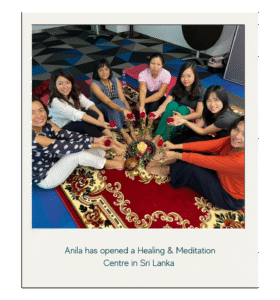
Community and Wellbeing Settings
Consider holding Meditation classes, workshops and retreats, offering a theme that you are passionate and knowledgeable about.
Examples:
- yoga and Pilates studios
- neighbourhood houses
- libraries
- community centres
- retreat centres
- day spas
- gyms
- counselling and natural-health clinics
Corporate Meditation and Workplace Wellbeing
Organisations often respond better to a defined program than a vague offer to “teach meditation.”
For example:
- a four-week lunchtime meditation program
- a stress-management workshop
- a guided relaxation session
- a series supporting focus and recovery during busy periods
Make sure that you ask the organisations about the problems it wants to solve, and what its needs and wants are before making a proposal.
Schools, Aged Care and Community Organisations
These community organisations may offer ongoing work for meditation teachers.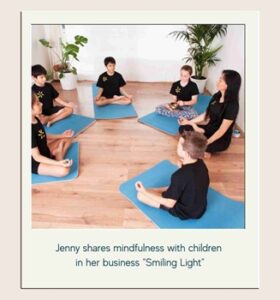
ACMM’s Community Work Placement Program offers direct access to local organisations. You choose the type of organisation that you would like to work with and the kind of people or needs you would like to support, and we will set everything up for you. The program itself and one to one mentoring is included in the package.
Online Meditation Teaching
You can offer Meditation online via:
- live online classes
- private Zoom sessions
- recorded meditation programs
- memberships
- meditation apps
- audio libraries
- online workshops
We are so lucky to have so much user-friendly technology at our fingertips. With your passion and commitment to your endeavour you can create an abundance of work as a Meditation Teacher through a full range of pathways. Keep an open mind and enjoy the journey!
Also read: https://www.meditationandmindfulness.com.au/selling-meditation-recordings-online/
5. Building Experience, Confidence and Professional Connections
Completing your meditation teacher training is an important step, but confidence usually grows through practice.
Your first teaching opportunities may not be large or highly paid. They may begin with a small community group, a pilot program, a work placement, a volunteer role or a class offered through an existing organisation. These experiences are valuable because they allow you to strengthen your teaching skills, learn how different groups respond and become more comfortable guiding others.
You might begin by:
- offering a short introductory session to a local community group
- running a small pilot program for friends, colleagues or an existing network
- volunteering with an organisation whose values align with your own
- assisting an experienced meditation teacher
- approaching a yoga studio, neighbourhood house, library or wellbeing centre
- taking part in a supervised work placement
- collaborating with another health or wellbeing professional
Each experience gives you something useful: practice, feedback, professional relationships, testimonials and a clearer understanding of the people you most enjoy supporting.
Professional connections can also lead to opportunities that may never be advertised publicly. A yoga teacher may refer a client to you. A counsellor may invite you to run a group. A community organisation may recommend you to another service after seeing the quality of your work.
Rather than viewing networking as self-promotion, think of it as relationship-building. Take an interest in the work other people are doing, learn about the needs of their communities and look for ways your skills might complement theirs.
Ask for Feedback and Referrals
After you deliver a class, workshop or program, ask participants or the host organisation for honest feedback.
You might ask:
- What did participants find most useful?
- Was the program appropriate for the group?
- What could be improved?
- Would they consider offering the program again?
- Would they be willing to provide a testimonial or referral?
Testimonials can help future clients understand what it is like to work with you, while referrals can become one of the most reliable ways to grow your teaching work.
Make Use of Ongoing Support
New meditation teachers do not need to work everything out alone.
Mentoring, supervision, professional development and peer support can help you navigate challenges, refine your teaching and make thoughtful decisions about your work.
At ACMM, students and graduates can access practical teaching opportunities, mentoring, business support and a professional community designed to help bridge the gap between completing a qualification and beginning professional work.
Support is particularly valuable when you are preparing your first program, deciding what to charge, approaching organisations or working with a group whose needs are new to you.
Experience builds confidence: Work placements, pilot classes and volunteering can help you develop skills while creating valuable connections.
6. Share Your Story and Passion Authentically

People are often drawn to meditation teachers because of the way they communicate, the care they bring to their work and the reason they feel called to teach.
Your personal story can help people understand what matters to you.
You might share:
- how meditation has influenced your own life
- what inspired you to become a teacher
- the people or communities you feel most drawn to support
- the values that guide your teaching
- what participants can expect when they work with you
You do not need to present yourself as someone who has everything figured out. In many cases, honesty, warmth and humility create a stronger connection than polished marketing language.
At the same time, your story should not become the sole focus of your message. The people reading your website, social media posts or program descriptions are usually asking themselves:
- Is this relevant to me?
- Will I feel comfortable with this person?
- Does this program address something I am experiencing?
- Can I trust this teacher?
Connect your experience to their needs.
For example, instead of simply saying:
Meditation changed my life, and I am passionate about sharing it.
you might say:
Meditation helped me develop a steadier and more compassionate relationship with myself. I now support people who feel overwhelmed or disconnected to create moments of calm, clarity and self-trust.
The second version still includes your story, but it also helps the reader understand how your experience may be relevant to them.
Be Clear About Who You Want to Support
You do not need to teach everyone.
Your message often becomes stronger when you are clear about the people you most want to work with.
You may feel drawn to support:
- parents and carers
- people experiencing workplace stress
- older adults
- first responders
- young people
- women moving through significant life transitions
- people living with pain or illness
- members of your local community
- beginners who feel unsure about meditation
A clear focus helps people recognise that your work is for them. It also makes it easier for organisations and other professionals to refer suitable participants to you.
Let People Experience Your Teaching
One of the most effective ways to demonstrate the value of your work is to allow people to experience it.
You might offer:
- a short introductory workshop
- a free community meditation
- a brief recording on your website
- a guest session for an existing group
- a low-cost beginner class
- a short workplace wellbeing session
The aim is not to give all your work away for free. It is to help people understand your teaching style and decide whether they would like to work with you again.
Your genuine care for the people you support will usually come through most clearly in the quality of the experience you create.
A Simple Plan For Finding Your First Meditation Teaching Opportunity
Finding your first opportunity can feel harder than finding your fifth. The goal is to begin with something manageable that allows you to build experience, confidence and evidence of your work.
Start by choosing one group you would genuinely like to support. This might be parents, carers, older adults, workplace teams, yoga students or people experiencing everyday stress.
Then:
1. Create one clear offering, such as a four-week beginner meditation course or a 60-minute introductory workshop.
2. Write a short description explaining who it is for, what participants will experience and how it will be delivered.
3. Identify five suitable organisations, studios or community groups.
4. Contact each one personally rather than sending a generic message.
5. Offer a conversation about what their community needs.
6. Follow up once if you do not receive a response.
7. Ask for feedback and a testimonial after delivering the program.
You do not need to launch an entire business at once. One well-delivered class can lead to a referral, a repeat booking or a longer program.
Can You Make a Living as a Meditation Teacher?
Yes, it is possible to make a living as a meditation teacher, and like any business, it takes time, consistency and a willingness to create more than one source of income.
Some meditation teachers work full-time in their own business. Others teach part-time alongside another career, incorporate meditation into an existing profession, or gradually build their work until it becomes financially sustainable.
Income may come from a combination of:
- weekly meditation classes
- private one-to-one sessions
- workshops and short courses
- workplace wellbeing programs
- school or community programs
- retreats
- online classes and memberships
- recorded meditations
- speaking or facilitation work
- mentoring or supervision, once appropriately experienced
B
Relying on one weekly class alone is unlikely to create a full-time income. A more sustainable model often combines several offerings.
For example, a teacher might run a weekly community class, offer private sessions, deliver workplace programs and host occasional workshops or retreats. Another may use meditation teaching to strengthen an existing counselling, yoga, coaching, massage or wellbeing practice.
Your income will depend on factors such as your experience, location, audience, pricing, reputation, confidence in promoting your work and the amount of time you are able to commit.
It is also important to be realistic in the early stages. Many teachers begin slowly, gaining experience and building relationships before their income becomes consistent. Starting alongside existing employment can reduce financial pressure and allow you to develop your work thoughtfully.
A strong qualification can prepare you to teach safely and confidently, but building a livelihood also requires practical business skills. These include knowing how to describe your services, price your work, approach organisations, build referral relationships and create programs that respond to genuine needs.
The most successful meditation teachers are not always the loudest or most visible. They are often the ones who teach well, communicate clearly, build trust and consistently create valuable experiences for the people they serve.
So, can you make a living as a meditation teacher?
Yes. But it is usually something you build rather than something that happens immediately after qualification. With patience, sound training, professional support and a clear understanding of who you want to help, meditation teaching can become meaningful and sustainable work.
” Since graduating I’ve opened my own little studio and the confidence, clarity and skills I gained through the training have been invaluable. What stands out most is the ongoing support – from business mentoring to regular events and live meditations, ACMM doesn’t just train you and leave you; they continue to walk alongside you.” Shona
Prepare for Work As A Qualified Meditation Teacher
Finding work as a meditation teacher requires patience, initiative and a willingness to begin before everything feels perfect.
A strong qualification gives you the practical teaching skills you need, but experience, relationships and ongoing support help you turn those skills into meaningful work.
ACMM’s Certificate in Guiding and Teaching Meditation is designed to prepare students to lead meditation confidently in groups, individual sessions and community settings. Students can also access practical teaching opportunities, mentoring and business support as they begin developing their work.
Explore the Certificate in Guiding and Teaching Meditation, learn about ACMM’s Work Placement opportunities, or book a conversation with our team.
If you are already qualified as a meditation teacher, you may be able to access our Meditation Teachers’ Business Support Program called “The Business Lounge”.
Found this helpful? Share it with your buddy who’s considering becoming a Meditation Teacher too.
Written by Lisa Forde
At ACMM, we offer Certificate, Advanced Certificate, and Diploma Training Options, with optional Business Development Support alongside and after your training.
Learn more about our courses, by downloading a Course Prospectus today.
Other articles you may enjoy:
5 ways to market your meditation business without social media