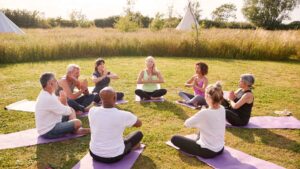
There is a growing awareness, both in research and lived experience, that many of the people we support through meditation experience the world differently.
Current estimates suggest that around 1 in 6 people are neurodivergent, including those with ADHD, autism, dyslexia, and other cognitive differences.
Which means that in almost every class, group, or one-to-one session, it is likely that someone we are supporting is processing, sensing, or regulating in a way that may not align with traditional expectations.
And yet, many meditation spaces have not been consciously designed with this in mind. This is where the next evolution of meditation teaching begins.
 Meditation is not one-size-fits-all
Meditation has been recognised for its ability to support stress reduction and nervous system regulation. Research continues to show that mindfulness practices can reduce anxiety, improve emotional regulation, and support overall wellbeing.
However, the way meditation is offered can significantly impact whether it is experienced as supportive or overwhelming.
For neurodivergent individuals, common meditation instructions may:
- Increase sensory discomfort
- Heighten internal overwhelm
- Feel inaccessible or confusing
- Reinforce a sense of “getting it wrong”
This is often a limitation in how the practice is being delivered. As meditation teachers, this invites us into a deeper level of skill. Not to change the essence of meditation, but to refine how we offer it.
What does neuro-affirming meditation teaching look like?
Supporting neurodivergent individuals in meditation spaces is not about having all the answers or applying rigid frameworks.
It is about cultivating a way of teaching that is:
- Flexible and responsive
- Grounded in observation and listening
- Aware of sensory and cognitive differences
- Inclusive in language, pacing, and structure
- Respectful of each person’s unique experience
It may involve:
- Offering multiple entry points into a practice
- Reducing reliance on abstract or overly internal instructions
- Adjusting pacing and silence
- Providing clear, concrete guidance
- Allowing choice and autonomy within the practice
At its heart, it is about meeting the person in front of you as they are.
From personal journey to professional contribution
At the Australian Centre for Meditation and Mindfulness, we have always believed that the most meaningful teaching emerges from the integration of personal experience, deep practice, and skilled training.
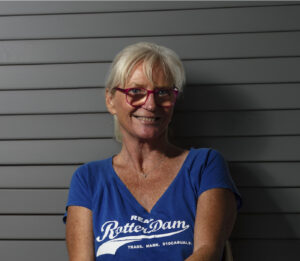
Our new elective, Supporting Neurodivergent Minds with Meditation, was developed by ACMM mentor Lucinda Lane as part of her Masters research project.
What makes this significant is not only the topic itself, but the process behind it.
This work has been shaped through:
- Lived experience
- Careful listening to others
- Research and exploration
- Practical application within meditation teaching contexts
It reflects a core principle of our Masters pathway:
That meditation teachers are not only practitioners, but contributors to the field.
Raising the standard of meditation teaching
There is a growing number of short, fast-track meditation courses available today.
Many of them focus on technique, scripts, and surface-level delivery.
But as the field matures, so too must the depth of our training.
Working with real people, in real settings, requires:
- Understanding of the nervous system
- Sensitivity to trauma and individual differences
- The ability to adapt in the moment
- Confidence to move beyond scripts
- A grounded personal practice
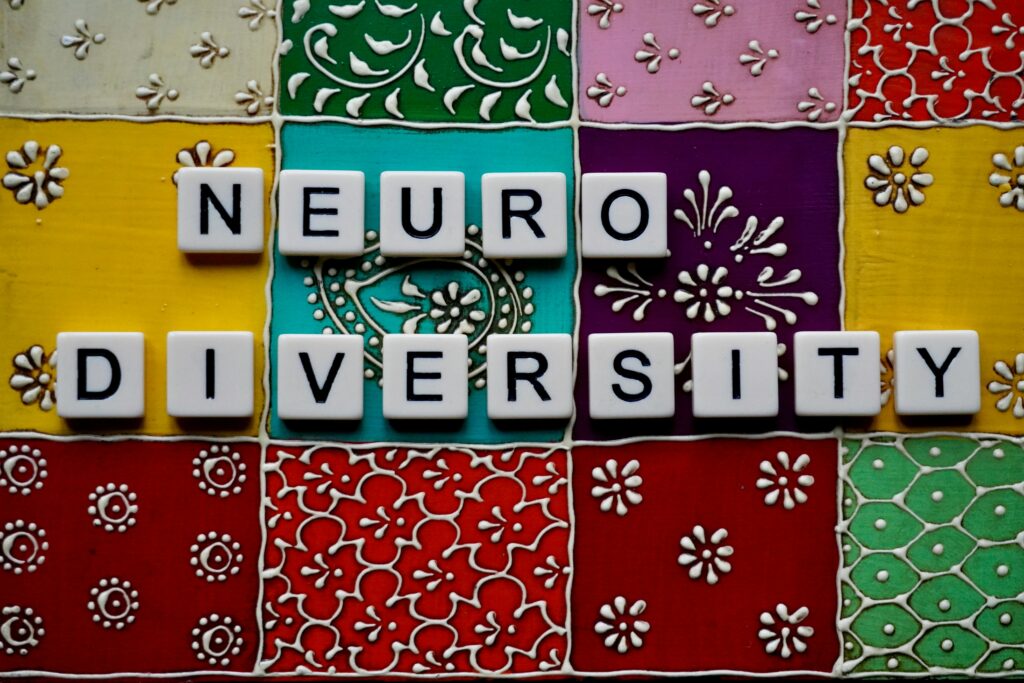
Neurodiversity is not a niche consideration. It is part of the reality of the communities we serve. It calls for a higher level of awareness, care, and skill.
 A new direction for the field
This elective represents something more than a new subject offering. It points toward a broader shift in meditation teaching:
From standardised delivery to responsive, human-centred facilitation, moving from assumptions to curiosity and listening and shifting from rigid structures to inclusive and adaptable practices
For meditation teachers, this is an invitation: to deepen, to refine and to meet people more fully.
If you feel called to this work
This elective is available to:
- Qualified meditation teachers
- Current ACMM students
- ACMM graduates
If you are already teaching, or preparing to teach, and you feel the importance of creating more inclusive, responsive meditation spaces, this work will meet you where you are.
And if you are not yet trained, but something in this resonates, it may be a sign to explore a more comprehensive and supportive pathway into meditation teaching.
Take the next step
You are warmly invited to:
- Download our prospectus
- Explore our training pathways
- Purchase this elective – Please note if you would like to purchase and you are not already enrolled with ACMM, you will need to be a qualified meditation teacher.
This is an opportunity to explore your direction, ask questions, and feel into whether this path is right for you.
If you enjoyed this article you may be interested in reading:
- How to Make Meditation a Daily Habit (Even If You’re Busy and Struggling to Stay Consistent)
- Meditation business success with relationship building
- 5 Simple Ways to Start a Meditation Class
At ACMM we offer Certificate, Advanced Certificate, Diploma, Community Work Placement and Masters Study Options in Meditation and Mindfulness Teaching and Guiding, with 1:1 mentoring and optional Business Development Support alongside and after your training.
Book a Zoom discovery call with us today to learn more and find out if our courses are the right fit for you – https://acmm.as.me/discoverycall