If you’re considering becoming a meditation teacher, you may be wondering what’s actually involved.
Is it simply completing a course and receiving a certificate?
Or is there something more to it?
The answer is important, because your experience of training will shape not only your skills, but your confidence and readiness to guide others.
What Most People Think Is Involved (And the Reality)
Many people assume that meditation is about sitting still and relaxing.
While meditation can certainly support calm and stress relief, it is also much more than that. Meditation opens the door to the inner world.
It can bring awareness to:
- Thoughts and patterns we recognise
- Emotions we have not fully processed
- Deeper aspects of the psyche that may be unfamiliar
Because of this, becoming a meditation teacher requires more than learning techniques.
It requires careful, comprehensive preparation, so that you can guide others safely, responsibly, and with genuine understanding.
The Real Path to Becoming a Certified Meditation Instructor
While every training provider is different, a high-quality pathway generally includes several key stages.
-
Developing Your Personal Practice
Everything begins here.
You learn to:
- Establish a regular meditation practice
- Explore a range of techniques
- Understand your own inner experience
- Develop layered facilitation skills
This is where your insight develops, and where your teaching will ultimately come from.
-
Completing a Structured Training Program
A comprehensive program will guide you step by step.
At ACMM, this includes:
- One-to-one mentoring throughout your training
- Eight structured coursework modules
- Ongoing practice and feedback
You will be writing meditation scripts, recording your guidance, and refining your skills as you go.
This is not passive learning. It is active, practical, and engaging.
-
Practising in Real and Supported Environments
Learning to teach meditation requires practice.
This may include:
- Online practice sessions with other students
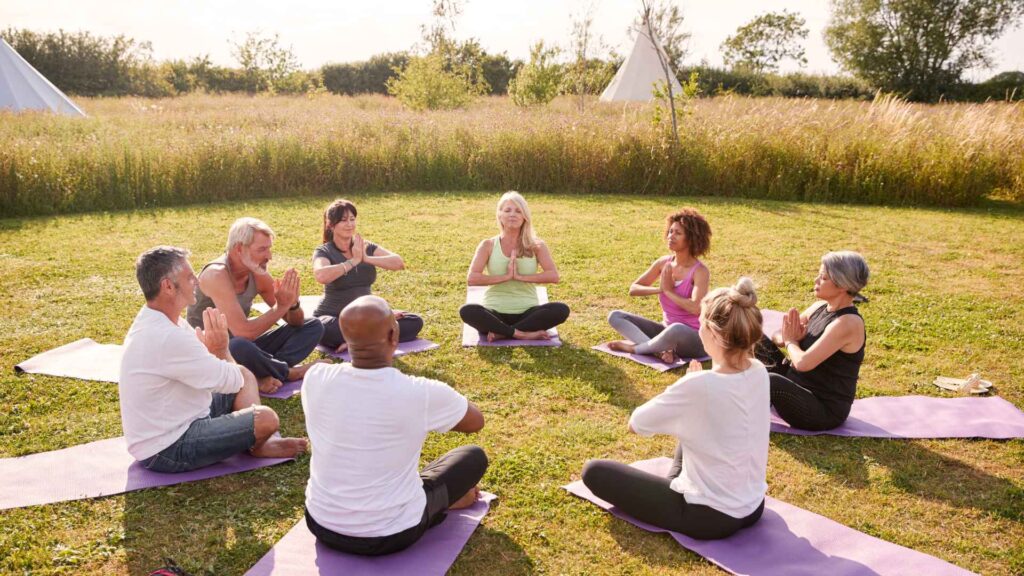
- Community meditation gatherings
- Guided peer practice
These experiences help you build confidence before working with the public.
-
Assessment and Certification
At the end of your training, your skills are assessed in a practical and supportive way.
This is not about pressure.
It is about:
- Bringing everything together
- Demonstrating your readiness
- Receiving final guidance before stepping out into the world
-
Choosing Your Level of Depth and Support
Not all students want the same experience.
Some continue further by:
- Completing specialist electives
- Attending retreats
- Receiving mentoring while beginning to teach
Others choose to start with the core certification and build from there.
The key is having options that match your goals.
-
Ongoing Development
Becoming a meditation teacher is not a one-time event. It is an ongoing path.
Many teachers continue to:
- Deepen their practice
- Expand their skillset
- Engage in community and professional development
 What Does “Certified” Actually Mean?
The meditation industry is not nationally regulated in Australia.
This means that “certified” can vary in quality and depth depending on the training provider.
In practice, certification should mean that your training meets the standards of recognised industry bodies such as Meditation Australia.
Meditation Australia allows you to:
- Gain professional membership
- Access insurance
- Be recognised within the industry
However, it’s important to understand:
Certification alone does not guarantee competence.
The quality of your training is what truly determines your readiness.
The Skills You Actually Need to Become a Meditation Instructor
Teaching meditation is both an art and a skill.
You need to be able to:
- Guide a range of meditation techniques with confidence
- Adapt practices to suit different individuals and groups
- Hold space with compassion and care
- Respond appropriately when emotions arise
- Read group dynamics and facilitate effectively
- Use language, voice, and pacing skilfully
- Deliver meditation in a trauma-sensitive way
One of the clearest indicators of competence is the ability to guide without relying on a script.
This reflects true understanding and embodiment.
How Long Does It Take to Become Ready?
This depends on your life circumstances and level of commitment.
As a guide:
- Around 4–5 months if you can dedicate focused time
- Around 12 months if you are balancing work, family, or other commitments
Short, fast-track courses may seem appealing, but they rarely provide the depth required to feel truly ready.
The Role of Personal Transformation
This is the part that is often overlooked.
Becoming a meditation teacher is not just about learning how to guide others.
It is about becoming someone who:
- Lives the practice
- Understands it deeply
- Embodies its benefits
You don’t just want to know meditation.
You want to feel it in your life, and from that place, share it with others.
This is what builds confidence, authenticity, and trust.
 The Support You’ll Need Along the Way
Training is not something you should do alone.
The most important forms of support include:
Mentoring
A mentor provides guidance, encouragement, and a space to share both challenges and progress.
Community
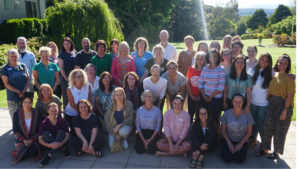
Being part of a supportive group helps you stay connected, inspired, and resourced.
Business Support
Many meditation teachers go on to run their own businesses.
This requires a completely different set of skills, including:
- Communication and marketing
- Structuring offerings
- Working with integrity and care
Having support in this area makes a significant difference.
Common Fears Before Starting
It’s completely normal to feel uncertain.
Common concerns include:
- “I don’t have enough time”
- “I’m not experienced enough”
- “I’m not ready”
The truth is, you don’t need to have everything figured out before you begin.
A good training program will meet you where you are and guide you step by step.
What Happens After You Become Certified?
The opportunities are wide-ranging.
Meditation is now used across many settings, including:
- Corporate environments
- Health and wellbeing spaces
- Schools and community programs
- Private practice and coaching
- Retreats and workshops
Graduates often go on to:
- Start their own businesses
- Work within organisations
- Integrate meditation into existing careers
Perhaps most importantly, they begin to see the real impact of their work.
Supporting someone with stress, anxiety, sleep, or life transitions can be deeply meaningful.
Your Next Step
If you’re considering becoming a meditation teacher, the next step is to explore your options in more detail.
Take some time to:
- Read through the training information
- Watch videos
- Get a feel for the approach and philosophy
Most importantly, notice how it feels. Because the right training will not only make sense, it will feel aligned.
If you enjoyed this article you may be interested in reading:
- Which online meditation teacher training is right for you?
- The Future of Retreats: How Online Meditation Retreats Can Elevate Your Teaching Practice
- Why Being a Trauma Aware Meditation Teacher Matters More Than Ever
At ACMM we offer Certificate, Advanced Certificate, Diploma, Community Work Placement and Masters Study Options in Meditation and Mindfulness Teaching and Guiding, with 1:1 mentoring and optional Business Development Support alongside and after your training.
Book a Zoom discovery call with us today to learn more and find out if our courses are the right fit for you – https://acmm.as.me/discoverycall