Meditation has supported people across cultures and generations in cultivating greater awareness, connection and inner steadiness. Today, a growing body of scientific research is helping us understand its potential benefits for stress, emotional wellbeing, attention and mental health.
Yet alongside these positive findings, you may have noticed a different conversation emerging.
Can meditation be harmful? Is mindfulness safe for everyone?
These are important questions, particularly for anyone considering becoming a meditation teacher.
At the Australian Centre for Meditation and Mindfulness (ACMM), we welcome these conversations. Not because we believe meditation should be approached with fear, but because we believe that understanding the full range of human experience helps us become more compassionate, skilled and responsible teachers.
Meditation has so much to offer. And when we understand how to guide it thoughtfully, with sensitivity to each person’s needs, we can create conditions where more people feel supported to explore its benefits.
The Positive Benefits of Meditation: What Does the Research Tell Us?
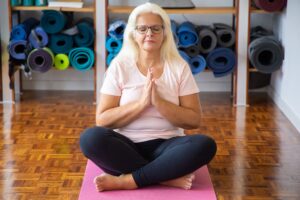 There is a reason meditation continues to find its way into homes, schools, workplaces, healthcare settings and wellbeing programs.
Research suggests that meditation and mindfulness practices can support people in managing stress and anxiety, improving emotional wellbeing, strengthening attention and developing greater awareness of their thoughts and feelings.
For many people, meditation offers something that can be difficult to find in a busy world: an opportunity to slow down, reconnect with themselves and relate to life’s challenges with greater kindness and perspective.
The Australian Government’s healthdirect identifies meditation as a practice that may help with stress, anxiety, mood and overall wellbeing.
The National Center for Complementary and Integrative Health also highlights research exploring meditation’s potential benefits for mental and physical health.
Of course, meditation is not a cure-all, and outcomes vary between individuals. But its potential to support wellbeing remains a wonderful reason to continue sharing these practices.
For those drawn to becoming meditation teachers, this is an exciting and meaningful field in which to learn and grow.
So Why Are We Hearing That Meditation Can Be Dangerous?
As meditation becomes more widely practised and researched, researchers are also paying closer attention to experiences that are uncomfortable, challenging or distressing.
For some people, meditation may bring greater awareness of anxiety, difficult memories, uncomfortable physical sensations or emotions that have previously remained outside their everyday awareness.
Occasionally, these experiences can be significant and may require a practice to be modified or stopped, or additional professional support.
A 2026 review published in Current Opinion in Psychology highlights the importance of recognising adverse meditation experiences, improving how researchers measure them and ensuring that meditation is offered with appropriate care.
Importantly, the research also reminds us that not all uncomfortable experiences are the same. Temporary discomfort, an existing mental health difficulty and a harmful response associated with a particular practice are not automatically interchangeable.
The message is not that meditation is inherently dangerous. It is that meditation is a powerful and varied human experience, and thoughtful guidance matters.
As meditation teachers, we do not need to promise that every person will feel relaxed or peaceful every time they meditate.
Instead, we can develop the knowledge and skills to recognise when a practice is helpful, when it may need adjusting and when another form of support may be more appropriate.
This is where professional meditation teacher training becomes especially valuable.
Why Trauma-Sensitive Meditation Teaching Matters
One of the most important things we can understand as meditation teachers is that every person arrives with a different life experience.
Some people find closing their eyes deeply relaxing. Others feel more comfortable keeping their eyes open.
Some find that focusing on the breath helps them feel grounded. For others, particularly those with certain experiences of anxiety or trauma, focusing closely on breathing or internal sensations may feel uncomfortable.
A period of silence may feel spacious and restorative to one person, yet unsettling to another.
None of these responses means someone is doing meditation incorrectly.
Trauma-sensitive meditation teaching recognises these differences and creates opportunities for people to engage with meditation in ways that respect their needs, preferences and boundaries.
This might involve offering choices, inviting rather than instructing, allowing movement and providing alternatives to particular meditation techniques.
It also means remembering that we cannot know someone’s history simply by looking at them.
A trauma-sensitive approach is not about assuming that everyone is traumatised. It is about creating a learning environment where people have choice, agency and permission to respond to their own experience.
These principles can benefit everyone, whether or not they have experienced trauma.
What Helps People Feel Safe and Supported in Meditation?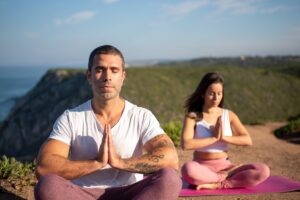
A supportive meditation environment is created through more than soft music, comfortable cushions or a soothing voice.
It develops through the awareness, communication and responsiveness of the teacher.
Here are some important principles that professional meditation teachers can learn to bring into their sessions.
1. Offering choice rather than rigid instructions
Instead of telling everyone to close their eyes, a teacher might invite participants to close their eyes, soften their gaze or look gently towards the floor.
Rather than insisting that everyone sit perfectly still, they might offer the option to move, adjust their posture or practise standing.
These small choices can help people maintain a sense of agency in their experience.
2. Understanding that meditation is not always about relaxation
Meditation can be calming, but calmness is not always the immediate outcome.
Some practices invite greater awareness of thoughts, emotions and sensations. At times, this can feel challenging.
A skilled teacher understands that meditation is not about forcing a particular feeling. They can help participants approach practice with curiosity, while recognising when discomfort becomes overwhelming or unhelpful.
3. Providing different ways to practise
Not everyone connects with the same meditation technique.
Breath awareness, sound, movement, visual imagery, connection with nature and externally focused grounding practices can offer different entry points into meditation.
Professional training helps teachers develop a range of approaches and understand when particular practices may or may not be suitable.
4. Recognising signs that someone needs additional support
Teachers benefit from understanding how distress, overwhelm or disconnection might appear during meditation.
This does not mean diagnosing someone or attempting to provide psychological treatment.
It means learning to respond respectfully, check in appropriately, offer alternatives and recognise when it is important to pause or refer someone to a qualified health professional.
5. Creating a relationship built on trust
Perhaps one of the most important elements of meditation teaching is the quality of presence we bring to our students.
A welcoming environment, clear communication, respect for boundaries and a willingness to listen can help people feel more comfortable exploring meditation.
Safety cannot be guaranteed through technique alone, but we can create conditions that support trust, choice and a sense of being respected.
Why Professional Meditation Teacher Training Makes a Difference
It can be tempting to think that becoming a meditation teacher simply involves learning a few techniques, developing a calming voice and practising how to guide a group.
But meaningful meditation teacher training goes much deeper.
It asks us to understand not only what we are teaching, but also why, when and how we offer particular practices.
A comprehensive meditation teacher training course should help students develop:
- A strong foundation in meditation and mindfulness principles, practices and their evidence base.
- An understanding of trauma-sensitive and inclusive facilitation.
- The ability to adapt meditation practices to different people, needs and environments.
- Skills in recognising and responding appropriately to distress.
- Awareness of professional boundaries, informed choice and referral pathways.
- Practical experience guiding meditation and receiving constructive feedback.
- A personal meditation practice that supports self-awareness and embodied understanding.
These skills matter whether you hope to teach community meditation classes, support wellbeing in the workplace, work with small groups or integrate mindfulness into an existing profession.
Importantly, trauma-sensitive teaching is not the same as trauma therapy. Meditation teachers need to understand the limits of their training and practise within their professional scope.
The goal is not to become an expert in every psychological condition. It is to become a thoughtful, informed teacher who knows how to respond with care, humility and appropriate boundaries.
How ACMM Supports Students to Become Confident, Trauma-Aware Meditation Teachers
At the Australian Centre for Meditation and Mindfulness, we believe that learning to teach meditation is both a professional and a deeply personal journey.
Our approach brings together traditional meditation wisdom, contemporary research, practical teaching skills and a heart-centred understanding of human experience.
Rather than focusing only on learning meditation scripts or techniques, we support students in developing the awareness, confidence and sensitivity to respond to the individuals and groups they will guide.
Our meditation teacher training incorporates trauma-sensitive practice, compassionate facilitation, counselling-informed communication skills and an appreciation for the different ways people experience meditation.
Personal mentoring is central to this learning.
Students work alongside experienced mentors who provide individual feedback, guidance and support as they develop their personal practice and teaching skills.
Through practical assessments, reflections, scriptwriting, guided teaching and mentoring conversations, students gradually develop their own authentic teaching voice.
We believe that the capacity to hold space for others grows from a combination of knowledge, experience, self-awareness and genuine human connection.
ACMM’s meditation teacher training is also recognised by Meditation Australia, the national professional association for meditation teachers, providing a pathway towards professional membership subject to its requirements.
For us, professional standards and compassionate teaching belong together.
Meditation Teachers Don’t Need All the Answers
One of the beautiful things about meditation is that it invites us into a lifelong relationship with learning.
No matter how experienced we become, there is always more to understand about the mind, the nervous system and the complexity of being human.
Good meditation teachers do not need to have all the answers.
They do, however, need a willingness to keep learning, to listen, to question their assumptions and to recognise when a particular approach might not be right for someone.
Professional training gives us a foundation, while continued personal practice, reflection, supervision and professional development help that foundation mature.
And perhaps this is one of the greatest gifts of becoming a meditation teacher: the opportunity to cultivate the same qualities we hope to share with others.
Meditation Is Worth Sharing, and Worth Teaching Well
The growing conversation about meditation safety does not need to overshadow its many potential benefits.
Instead, it can encourage us to teach with greater understanding, integrity and compassion.
Meditation offers opportunities for presence, self-awareness, connection and wellbeing. These are valuable experiences in a world where many people are navigating stress, uncertainty and disconnection.
As meditation teachers, we have the privilege of introducing people to these possibilities.
We also have a responsibility to honour the individuality of the people who come to us.
When we combine the wisdom of meditation with professional training, trauma-sensitive awareness and genuine care, we create more opportunities for meditation to be experienced in a supportive and meaningful way.
And that is something worth celebrating.
Considering Becoming a Meditation Teacher?
If you feel drawn to share meditation with others, choosing the right training is an important first step.
At ACMM, we offer comprehensive, professionally recognised meditation and mindfulness teacher training with personal mentoring, practical teaching experience and a compassionate, trauma-aware approach.
We would love to support you in developing the knowledge, confidence and presence to become the meditation teacher you are inspired to be.
Explore ACMM’s Meditation and Mindfulness Teacher Training
If you enjoyed this article you may be interested in reading:
How to Choose the Right Meditation Teacher Training Course: What Makes ACMM Different
Why being a trauma aware teacher matters
What Is Involved in Becoming a Certified Meditation Instructor?
Why Now is the Perfect Time to Become a Meditation and Mindfulness Teacher
At ACMM we offer Certificate, Advanced Certificate, Diploma, Community Work Placement and Masters Study Options in Meditation and Mindfulness Teaching and Guiding, with 1:1 mentoring and optional Business Development Support alongside and after your training.
Book a Zoom discovery call with us today to learn more and find out if our courses are the right fit for you – https://acmm.as.me/discoverycall
Frequently Asked Questions About Meditation Safety and Teacher Training
Is meditation safe for everyone?
Meditation is generally considered a low-risk practice, and many people experience benefits for stress and wellbeing. However, not every meditation technique is suitable for every person or situation. Some people experience anxiety, emotional distress or other challenges during practice. A well-trained meditation teacher understands the importance of individual differences, informed choice and adapting practices when needed.
Can meditation trigger trauma or anxiety?
Some meditation practices can bring greater awareness to difficult emotions, memories or physical sensations. For people with certain trauma histories or mental health concerns, this may sometimes become distressing. Trauma-sensitive meditation teaching includes offering choices, using appropriate grounding techniques, recognising signs of overwhelm and understanding when additional professional support may be needed.
What is trauma-sensitive meditation?
Trauma-sensitive meditation is an approach to teaching that recognises how past experiences can influence someone’s response to meditation. It emphasises choice, consent, respectful communication, flexibility and awareness of individual needs. Its purpose is to support participation without pressuring people to engage in practices that feel overwhelming.
Why is trauma-sensitive training important for meditation teachers?
Trauma-sensitive training helps meditation teachers understand the diversity of experiences that may arise during practice. It supports teachers to offer alternatives, recognise their professional boundaries and create more inclusive learning environments. These skills can benefit everyone attending meditation classes, not only people with known trauma histories.
Do meditation teachers need professional training?
While meditation teaching is not subject to a single mandatory Australian qualification framework, comprehensive professional training is strongly recommended. Quality training helps teachers develop practical facilitation skills, understand ethical responsibilities, respond appropriately to difficulties and teach within their scope of practice.
Does ACMM include trauma-sensitive practice in its meditation teacher training?
Yes. ACMM incorporates trauma-sensitive principles, compassionate facilitation, individual mentoring and practical teaching experience into its meditation and mindfulness teacher training. Students are supported in developing an inclusive, thoughtful approach to guiding meditation and understanding the different needs of participants.
Is ACMM meditation teacher training recognised in Australia?
Yes. ACMM’s meditation teacher training is recognised by Meditation Australia and the International Institute for Complementary Therapists (IICT). Graduates can apply for professional membership, subject to each organisation’s eligibility requirements. ACMM combines industry-recognised training with individual mentoring, practical assessment and opportunities for ongoing professional development.
Choosing the right meditation teacher training is about finding a learning experience that supports both the teacher you wish to become and the person you are today.
If you’re exploring your options, we’d love to help you discover whether ACMM’s meditation and mindfulness teacher training is the right fit for you.